


What gets checked before a unit ships
- 7
- Inspection categories
- 170
- Whole-vehicle checks
- 345
- Component checks
Product liability is underwritten by Ping An Insurance, which requires the inspection record to exist rather than to be asserted.
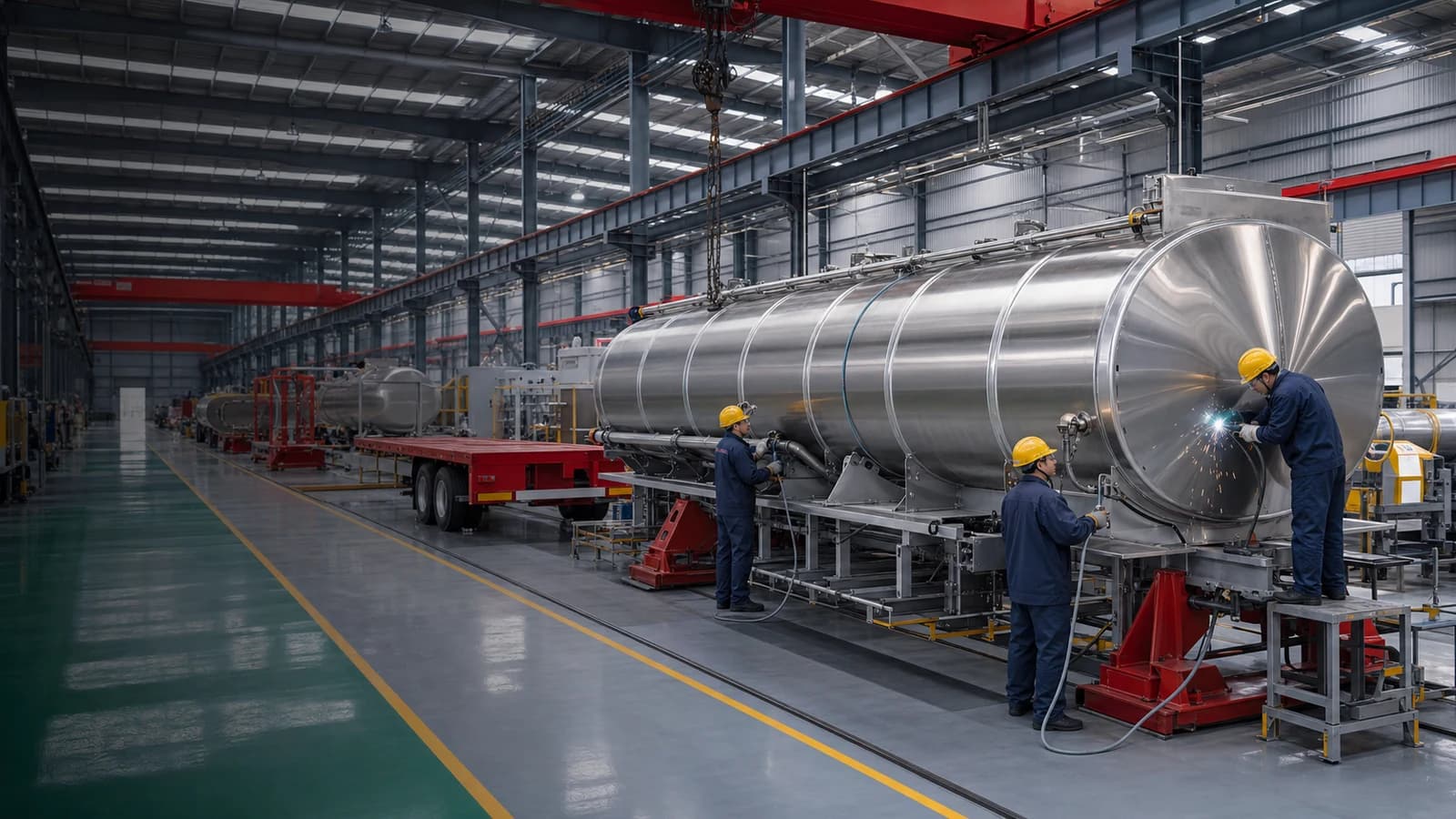
| Process | 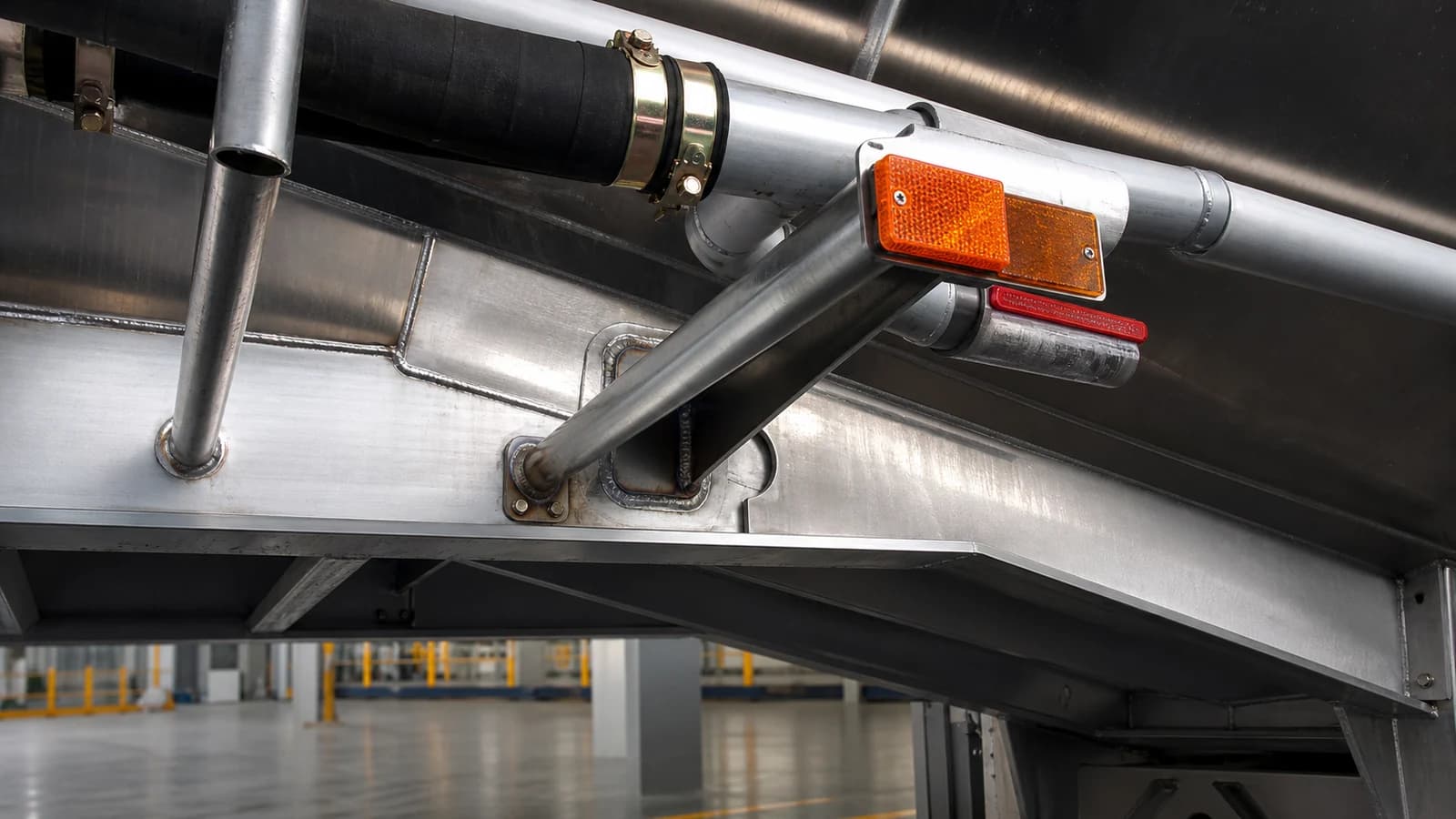 01High-tensile steel and load-bearing structure 01High-tensile steel and load-bearing structure |  02Precision cutting and forming 02Precision cutting and forming |  03Automated and controlled welding 03Automated and controlled welding | 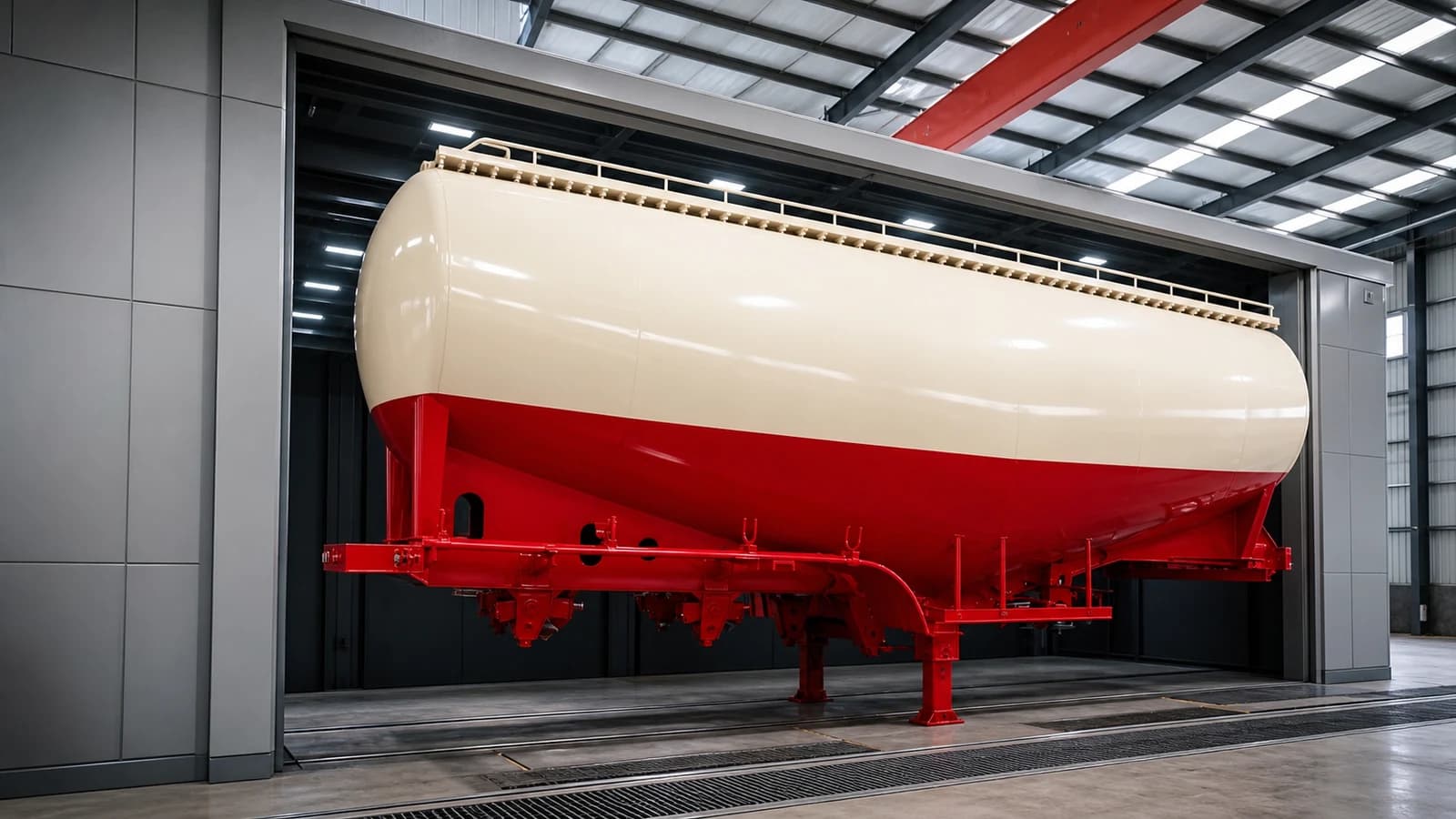 04Shot blasting and coating 04Shot blasting and coating | 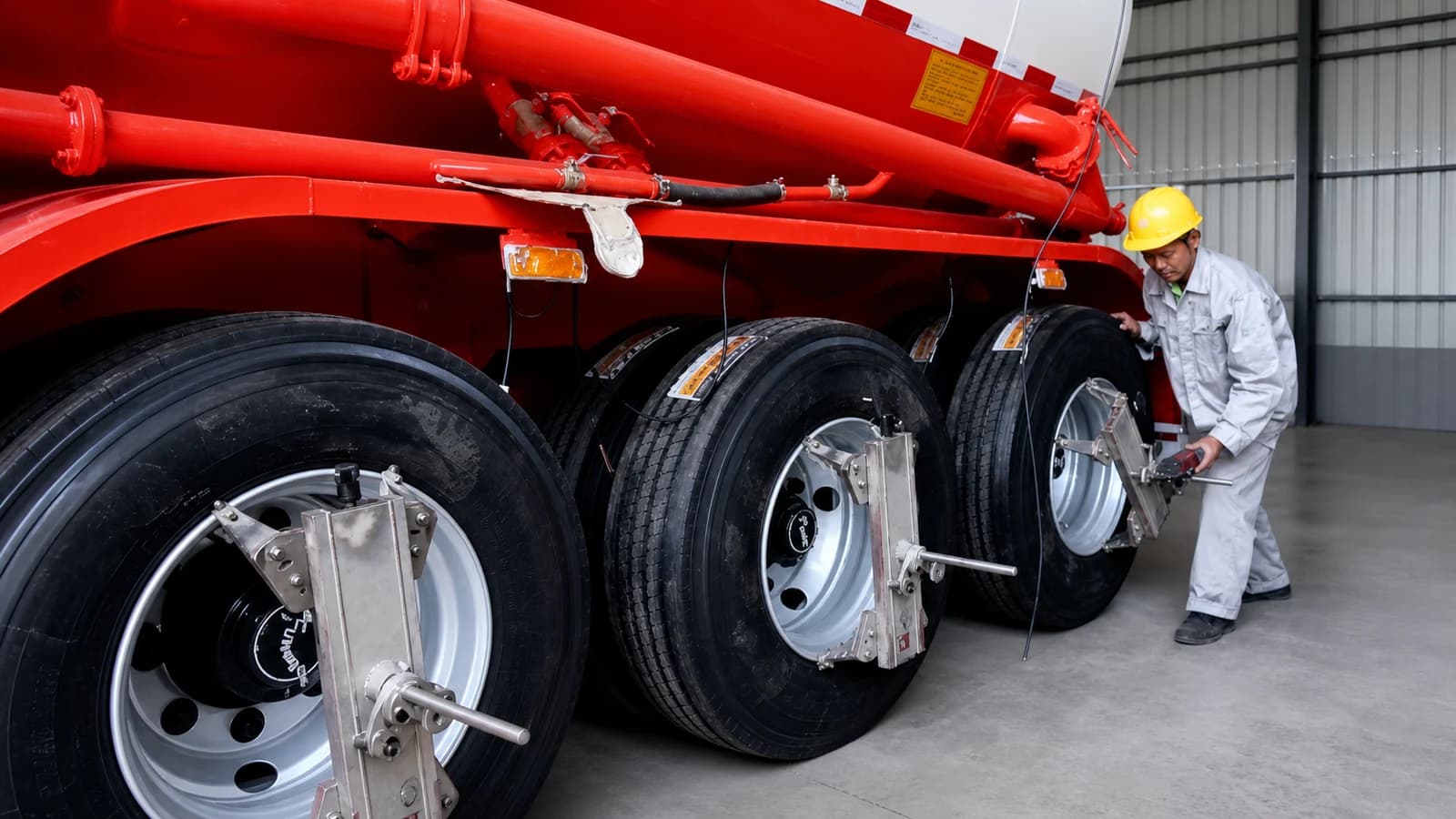 05Axle, suspension, brake and electrical integration 05Axle, suspension, brake and electrical integration |  06Tank barrel and critical structure assembly 06Tank barrel and critical structure assembly |
|---|---|---|---|---|---|---|
| Capability | T-section main beams in high-tensile steel, cut and assembled to a fixed section profile. | CNC laser and plasma cutting, press braking and plate rolling on gantry machines. | Gantry longitudinal and circumferential seam welding, with barrels held in driven rollers and rotating positioners. | Shot blasting to a clean profile, then primer and topcoat in an enclosed spray and bake booth. | Axles, suspension, air brake circuits and wiring installed and set as a matched package on the assembly line. | Barrel courses rolled and closed on rollover fixtures, with internal baffles welded on a continuous run. |
| Controlled variable | Section geometry and steel grade are fixed per model instead of varying with the batch. | Cut dimensions and bend angles repeat to machine tolerance instead of operator judgement. | Travel speed, current and torch position stay constant along the seam. | Surface cleanliness before paint, plus booth temperature and dust control during cure. | Axle alignment, ride height and circuit routing are set to the drawing, then measured. | Barrel roundness, baffle spacing and weld continuity at every internal joint. |
| Result | Predictable stiffness along the whole beam, with load spread into the crossmembers rather than concentrated at the neck. | Parts fit up with consistent gaps, so welds start from the same joint geometry every time. | Even penetration and bead profile the length of the joint, with far fewer stop-start defects than hand welding a barrel seam. | Coating adheres to prepared steel instead of mill scale, and cures without airborne contamination in the film. | Wheels track true, braking is balanced across axles, and air and electrical lines are clipped clear of heat and chafing points. | The barrel keeps its designed shape under load and surge, and internal joints have no interrupted weld runs to start a crack from. |
| Why it matters | Less permanent deformation over years of overload, and a frame that stays straight enough to keep axles in line. | Units in the same order share the same dimensions, which matters when your workshop stocks one set of spare parts for a fleet. | The joints that carry load and contain product behave the same on every unit, which is what makes batch quality predictable. | Slower onset of corrosion at the chassis and underbody, where road salt and moisture reach first. | Even tyre wear and predictable stopping distance, and faults that can be traced along a routed harness rather than hunted for. | Longer barrel life on rough roads and fewer interventions on joints that are expensive to reach once the unit is in service. |
01
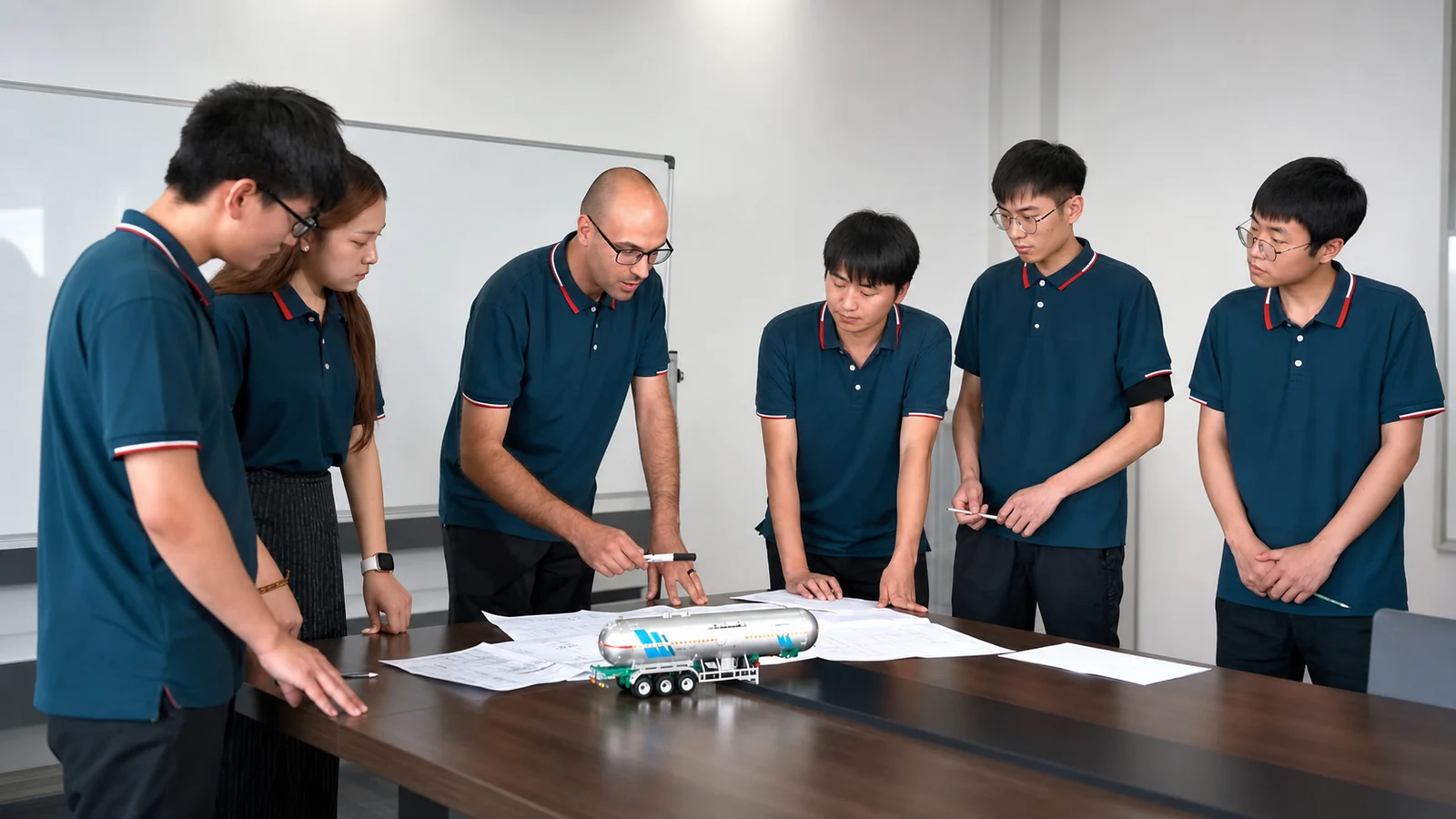
Payload, cargo or medium, route profile, road condition, axle and dimension limits in the destination market.
02
Load and structure configuration, drawings, axle and suspension selection, dimension and centre-of-gravity matching, internal design review.
03
Material tests, weld and structural checks, and measurement of the first unit against the approved drawing.
04
Approved drawing and process become the reference the whole batch is inspected against.
10,000—12,000 t
Load rating
A patented T-section main beam, extruded in a single pass rather than fabricated from plate. It carries three to five times the load and torsional resistance of the conventional L-section longitudinal, where the industry typically rates 3,000 to 5,000 t.
ASME
Shell code
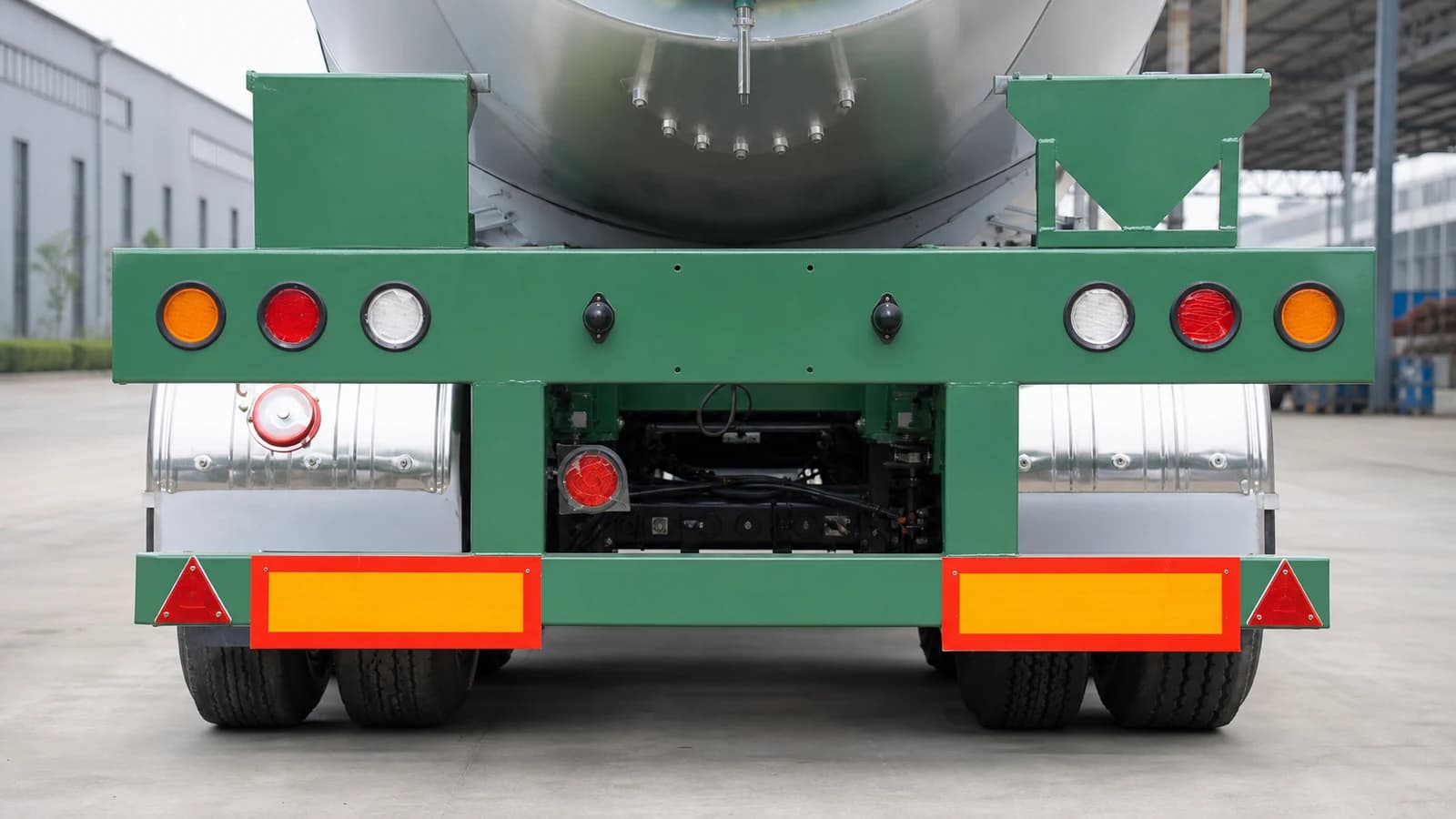
Aluminium alloy shells built to ASME, which absorb stress instead of concentrating it, with three ridged reinforcing rings stiffening the baffles so an impact does not tear the barrel open at a stress point.
Bolted
Suspension mounting
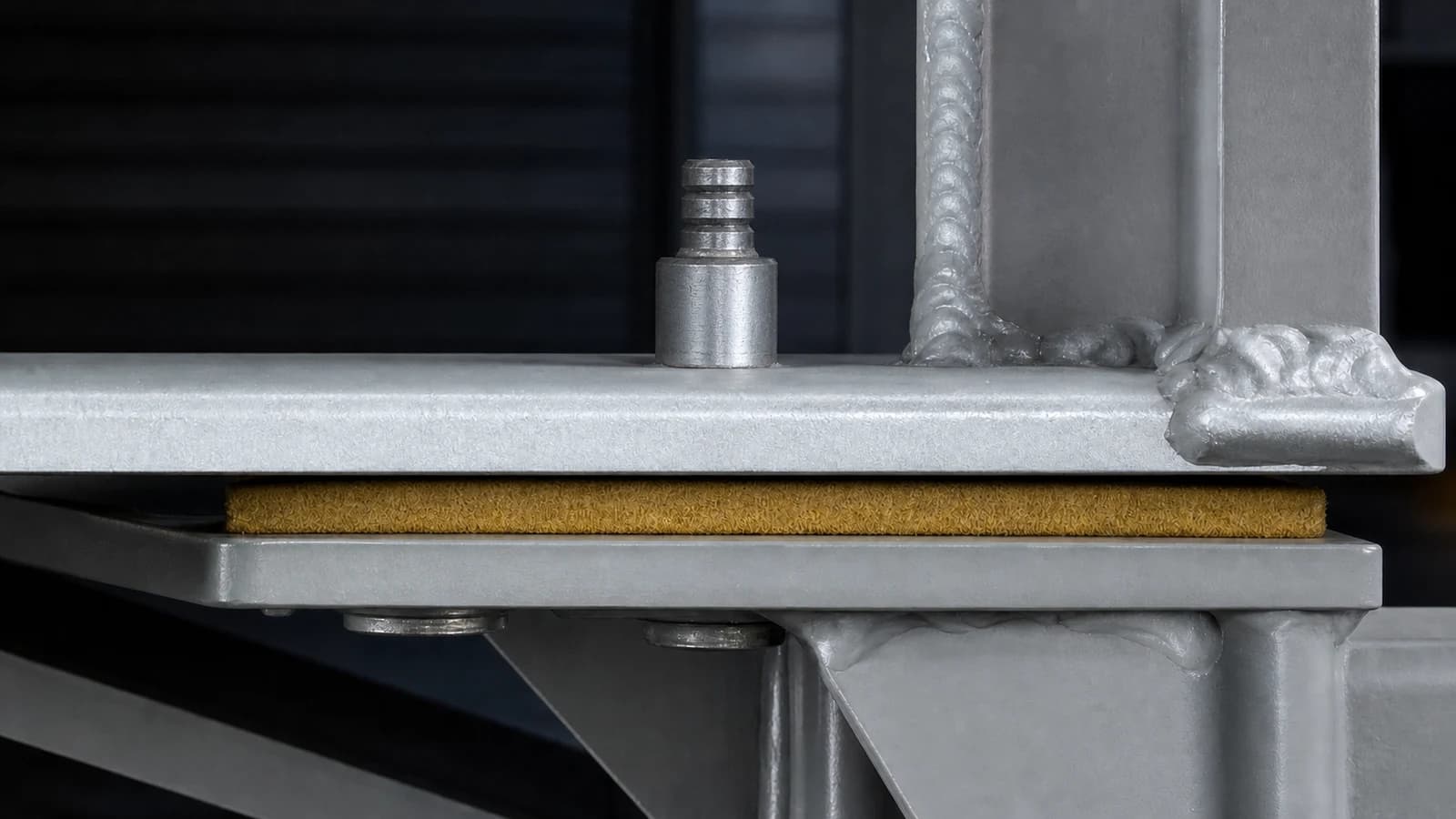
The anti-vibration suspension is clamped with Huck bolts rather than welded, which keeps welding stress and distortion out of the subframe, and damping plates between suspension and main beam absorb the twisting loads of broken ground.
ADR
Pipework standard
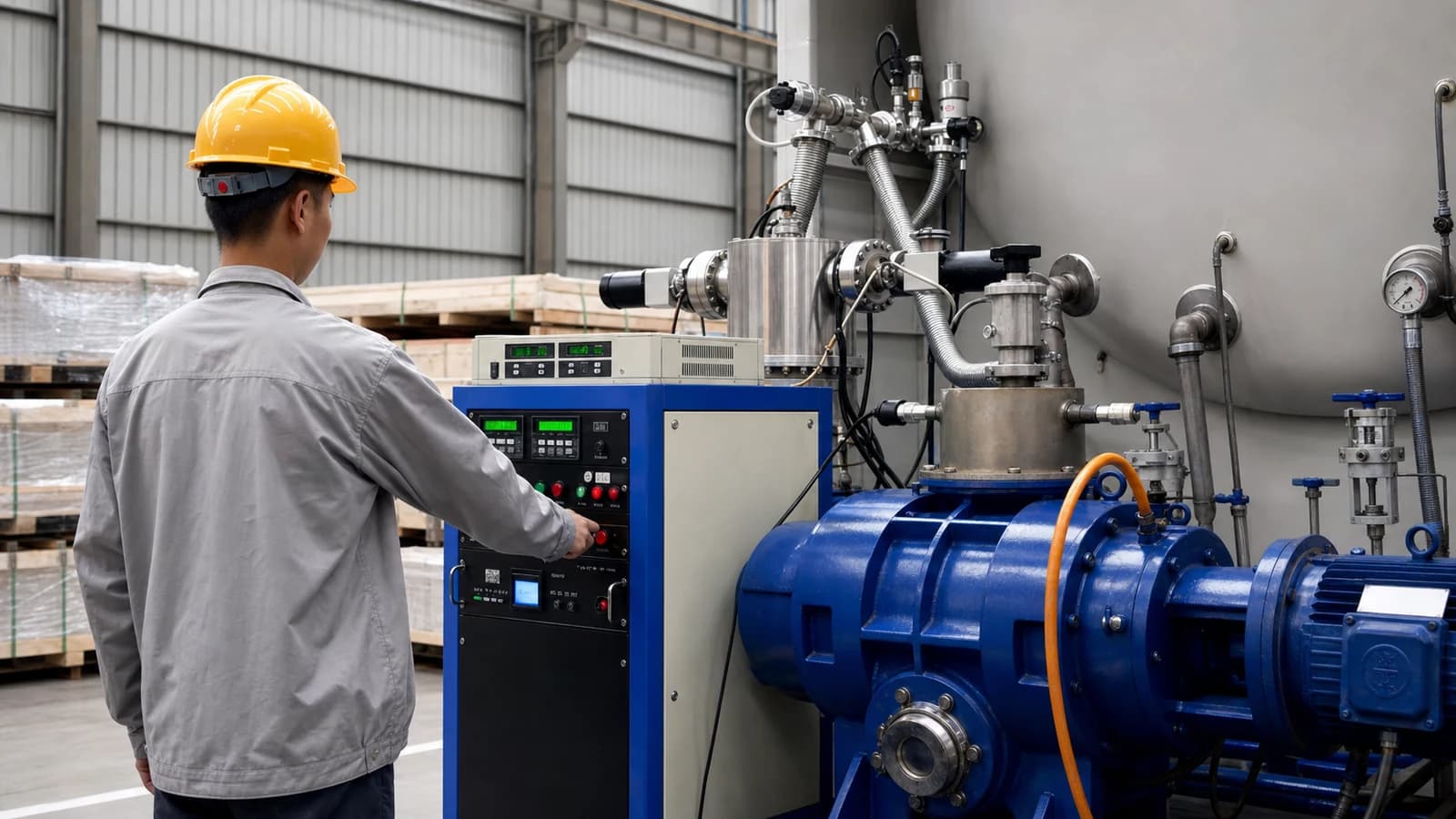
Robot welding with purpose-built jigs produces seams stronger than the shell plate itself. Bottom pipework follows ADR, with optional vapour recovery and an explosion-proof aluminium manhole cover.
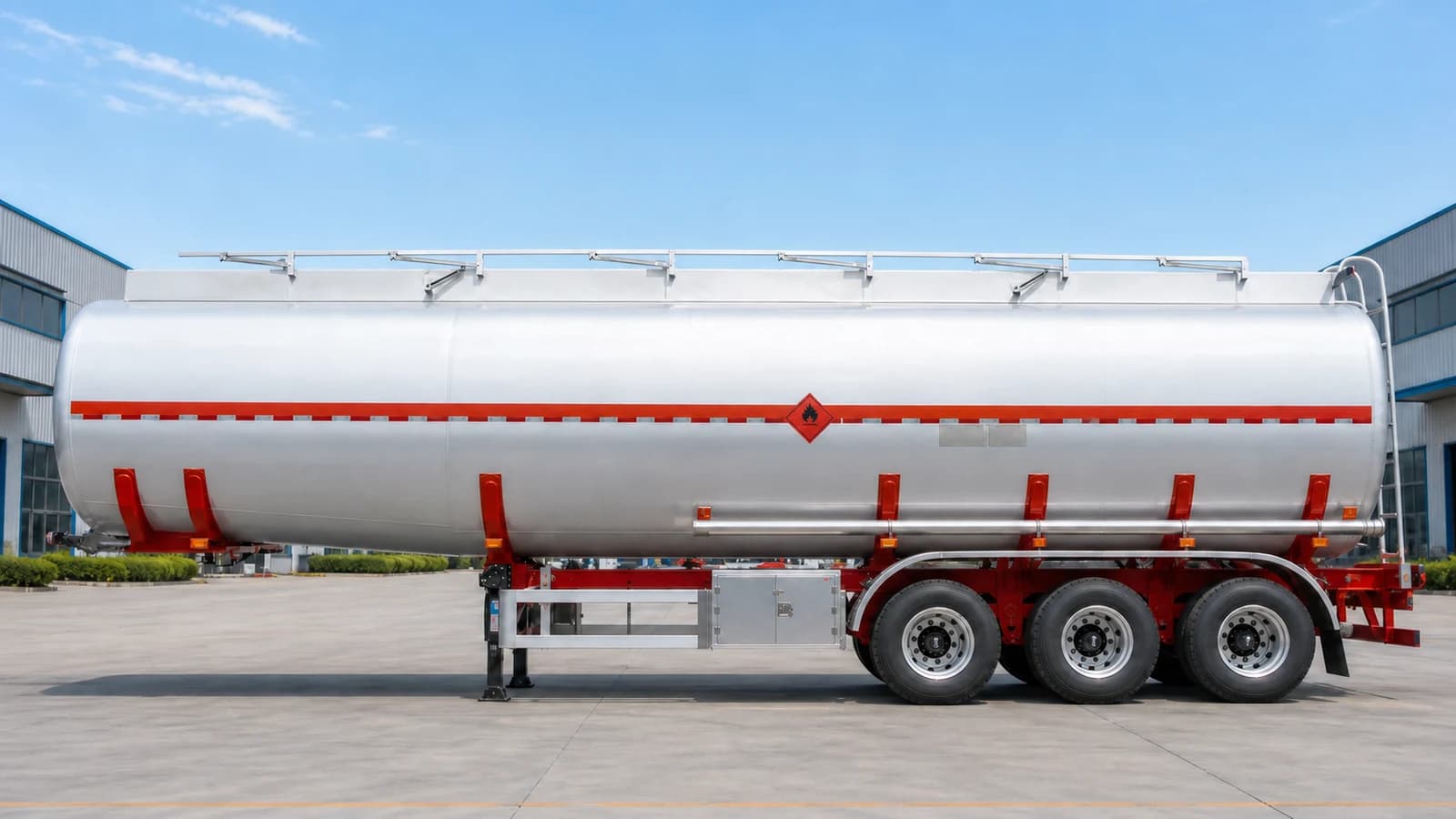
5—10 cm
Lower centre of gravity
A low centre-of-gravity layout and a lighter shell put the loaded centre of gravity 5 to 10 cm below comparable units. Industry analysis puts the reduction in rollover incidents at 30 to 50% for every 5 cm removed.
01
Incoming steel and components checked against specification and recorded to a batch, with tensile and impact testing on material samples.
02
The approved drawing and welding process are fixed before production and become the reference for every later check.
03
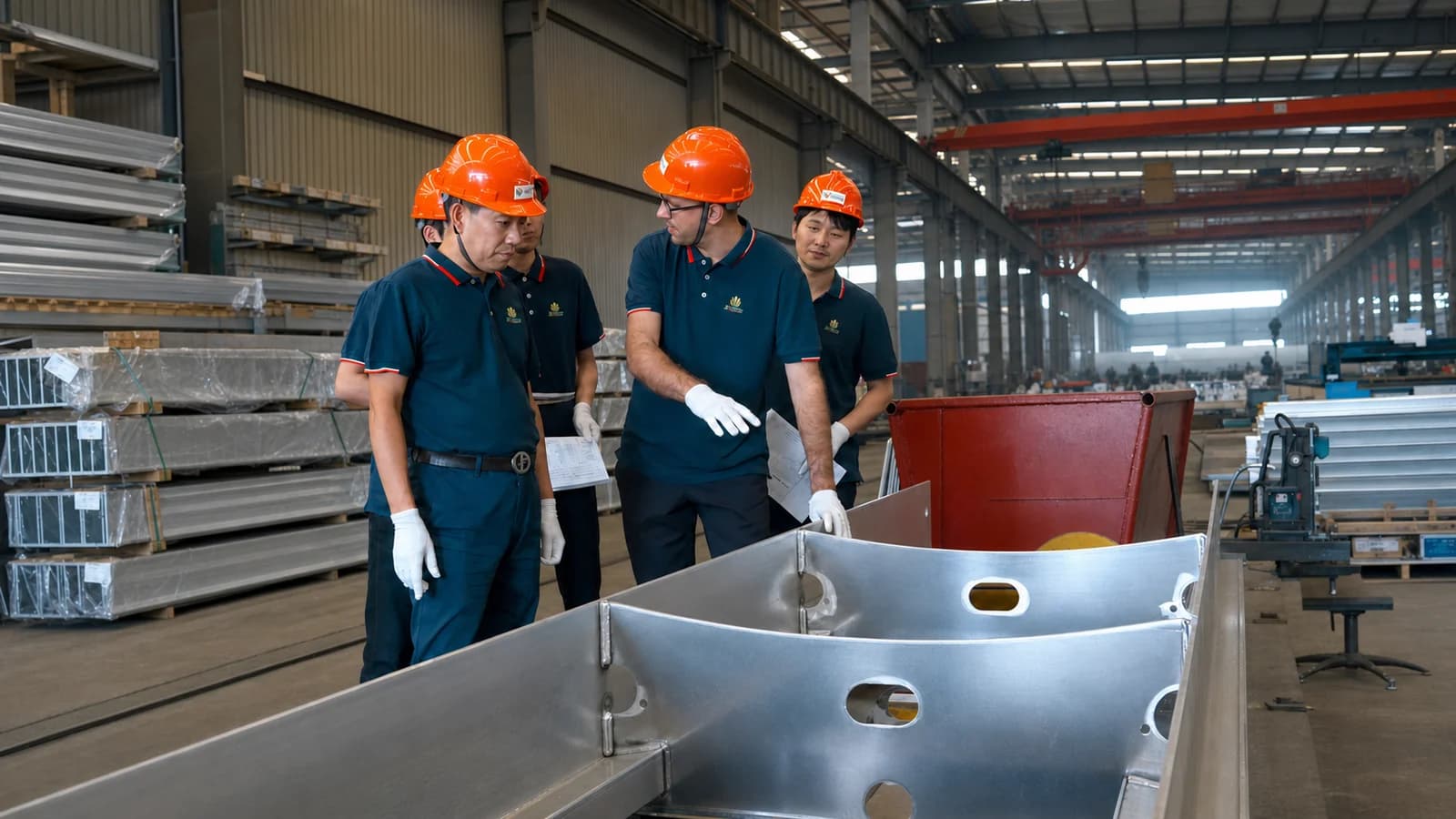
Dimensional and weld checks at the stations that set geometry: frame fit-up, barrel closing and suspension mounting.
04
Component-level verification is supported by 1,000+ production and inspection machines, with 345 individual component checks defined across the vehicle.
05
Brake, electrical and air circuit function, tightness or pressure testing where the product requires it, four-wheel alignment and finished-vehicle inspection.
06
Inspection records are kept against the batch, and the unit is released only after final check. Customer or third-party inspection can be scheduled before dispatch.
Product liability is underwritten by Ping An Insurance, which requires the inspection record to exist rather than to be asserted.
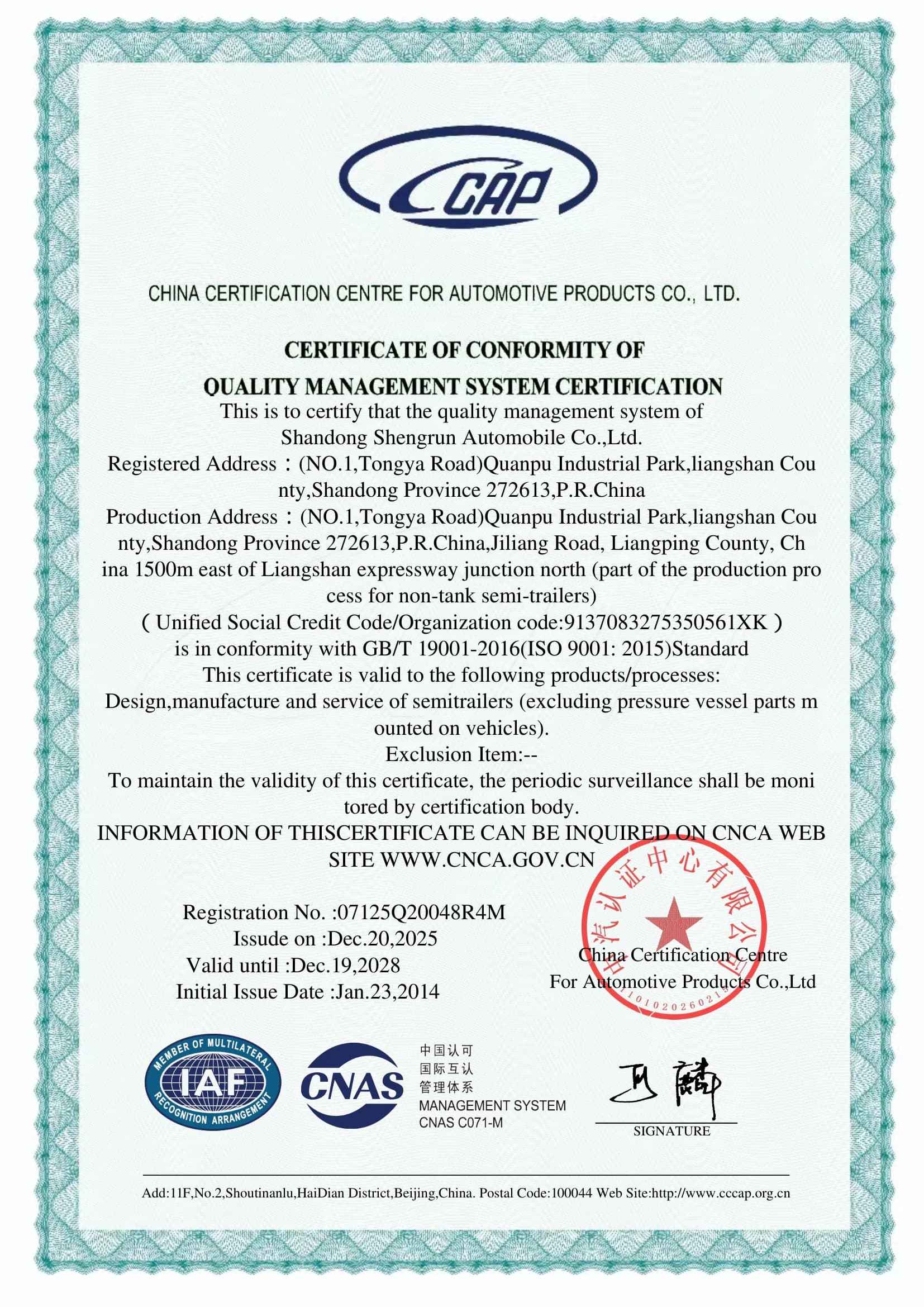
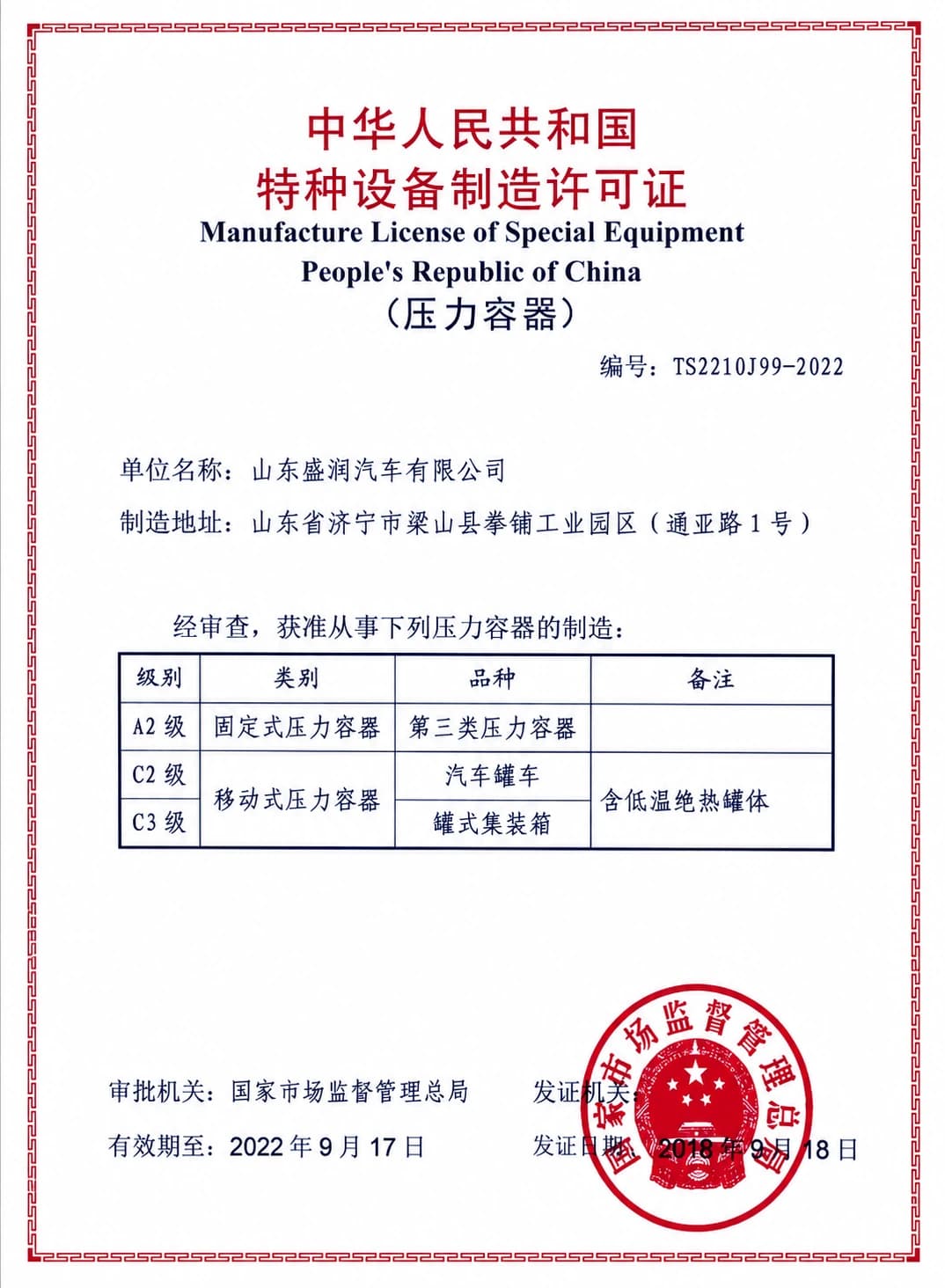
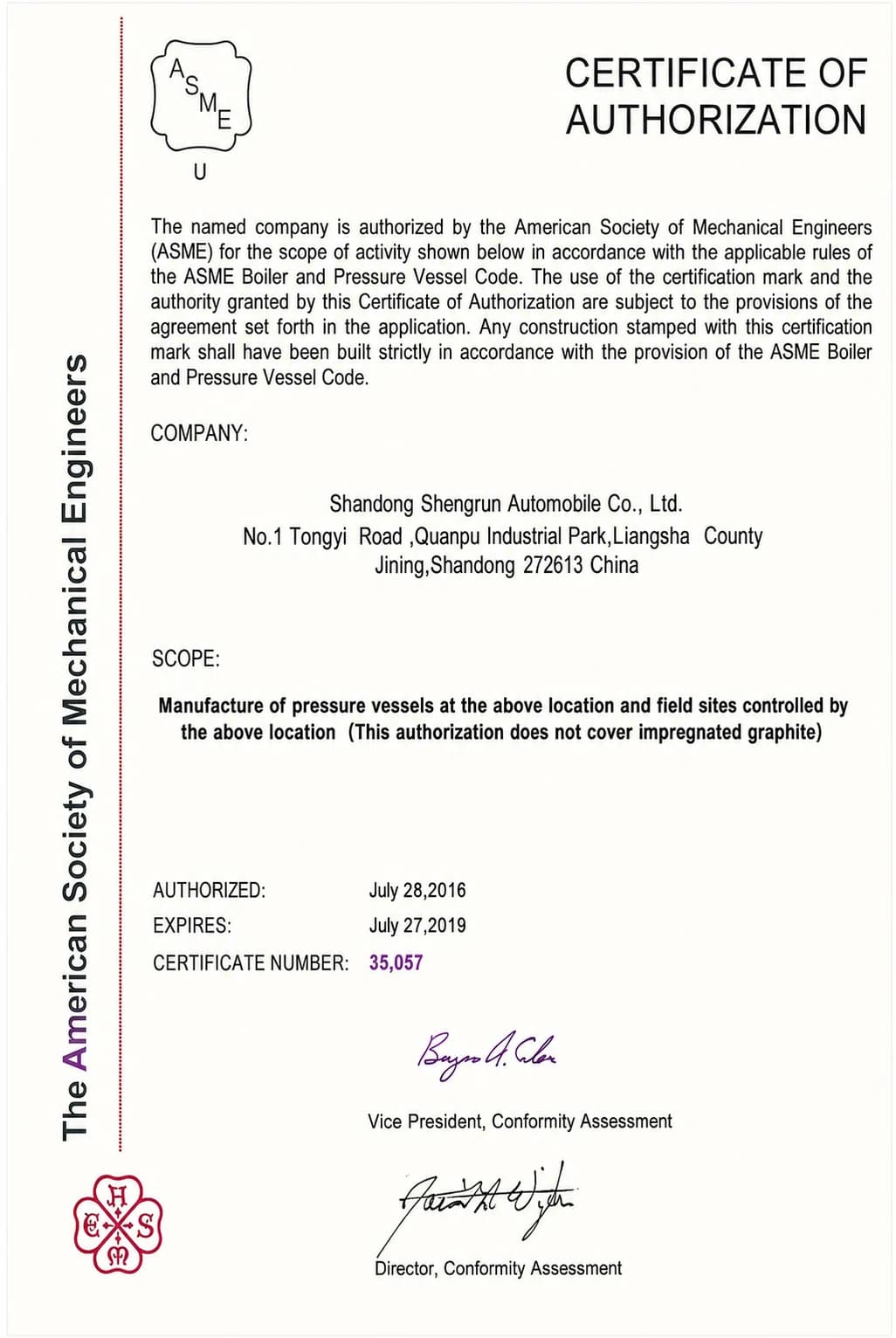
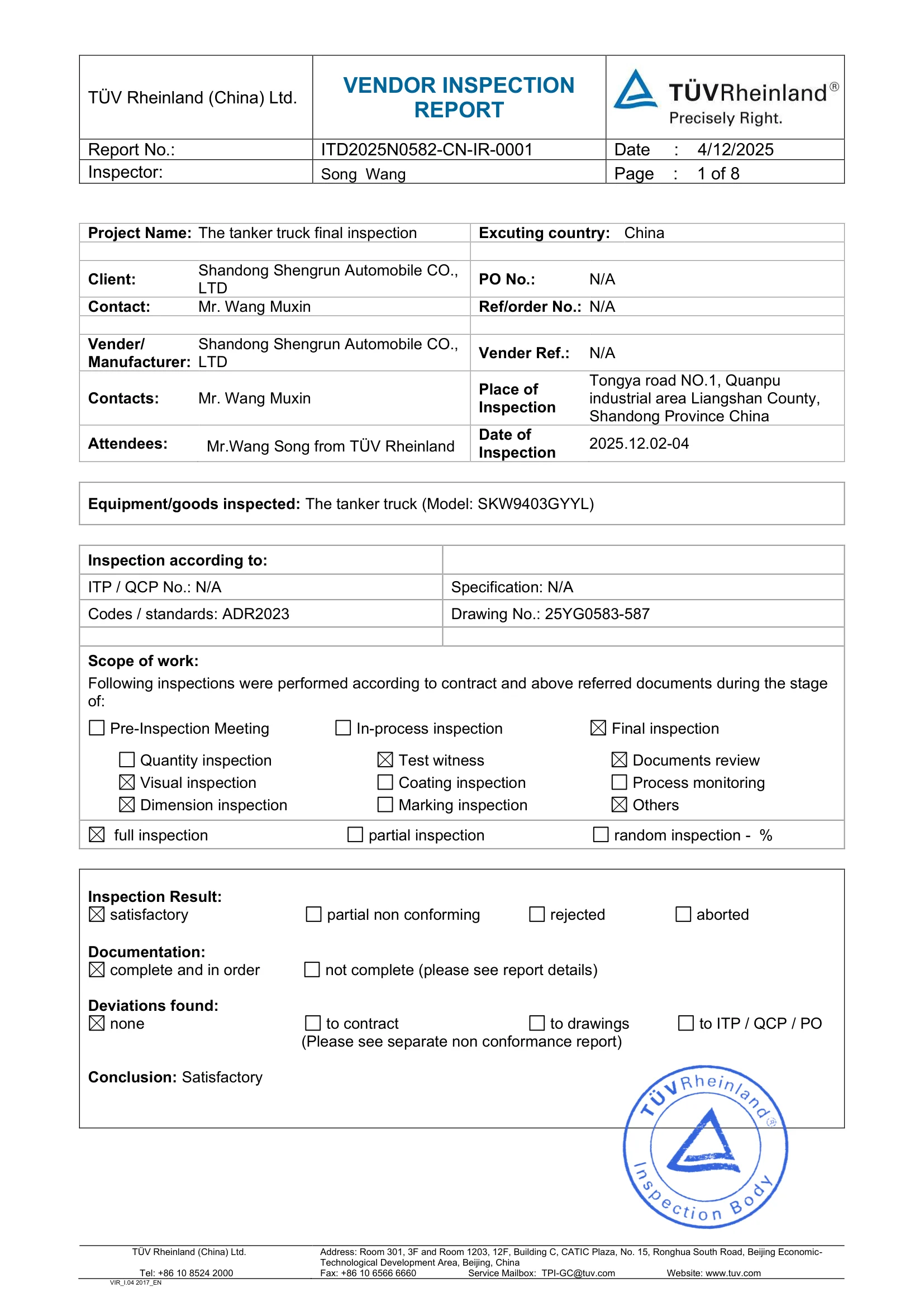
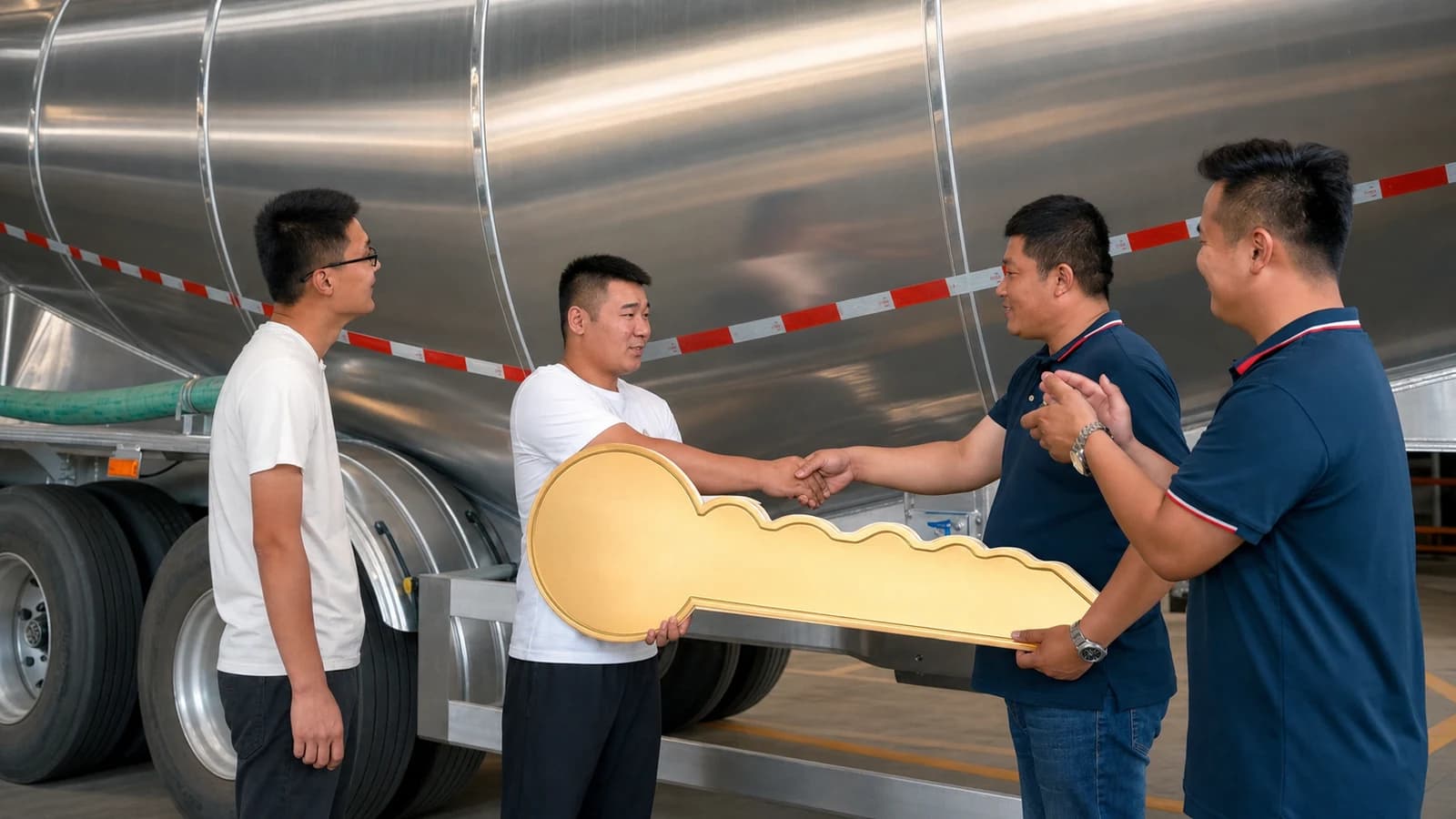
Everything above is checkable in person or by an inspector you appoint. Most buyers do one of the following before or during their first order.
Walk the cutting, welding, assembly and inspection lines with the engineers who run them. We arrange the invitation letter and local logistics.
Your staff can inspect at any production stage and attend the final vehicle check before release.
SGS, BV, TÜV or your own agency. We provide production access, drawings and inspection records for the batch.
Tell us the load, route and regulations you build to, and our engineers will come back with a drawing and a build proposal for your review.