Support Center
Selection guides written from the configurations we have actually shipped. Each one names what decides the specification, and links to the categories where the numbers live.
Selection guides
Selection guide
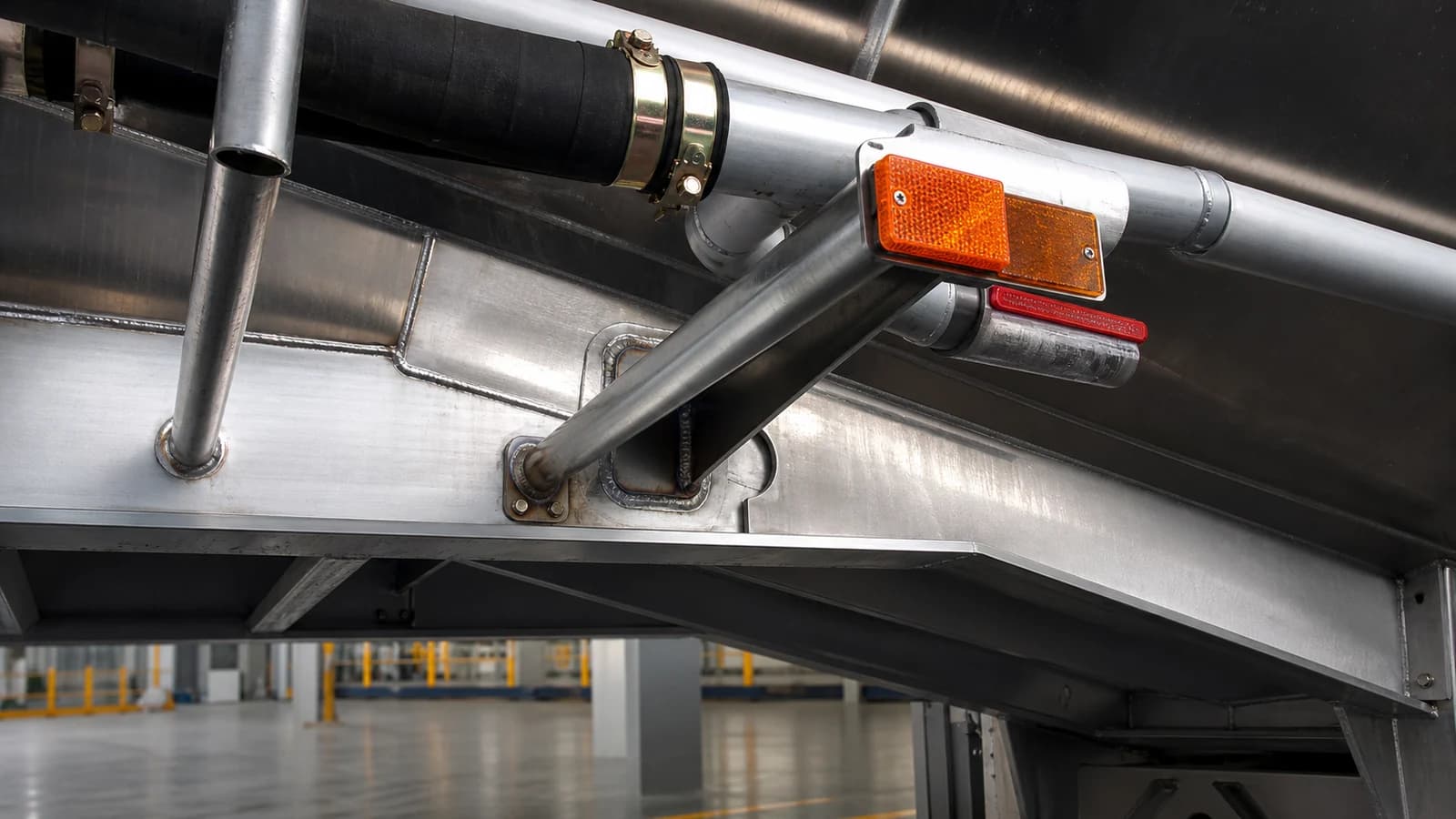
Skeletal chassis or flatbed: which to buy for container work
Both carry a container. The choice is decided by whether the unit will ever carry anything else, and by how much payload the route leaves you.
Read the guide
Selection guide
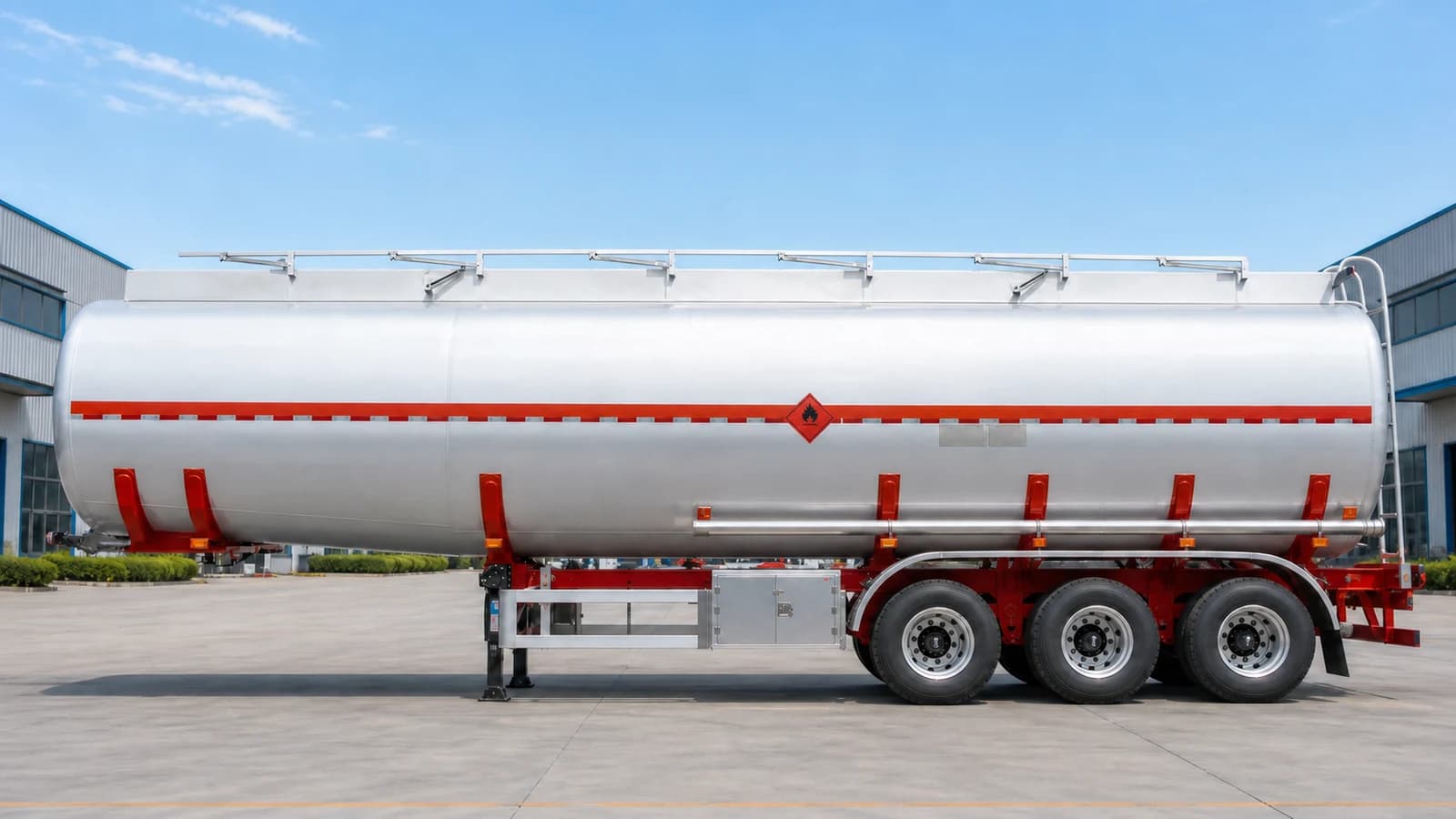
Choosing a tanker by the product it carries, not by its volume
Volume is the last decision, not the first. The cargo sets the pressure rating, the shell material, the discharge system and the code the vessel has to be stamped to.
Read the guide
Selection guide
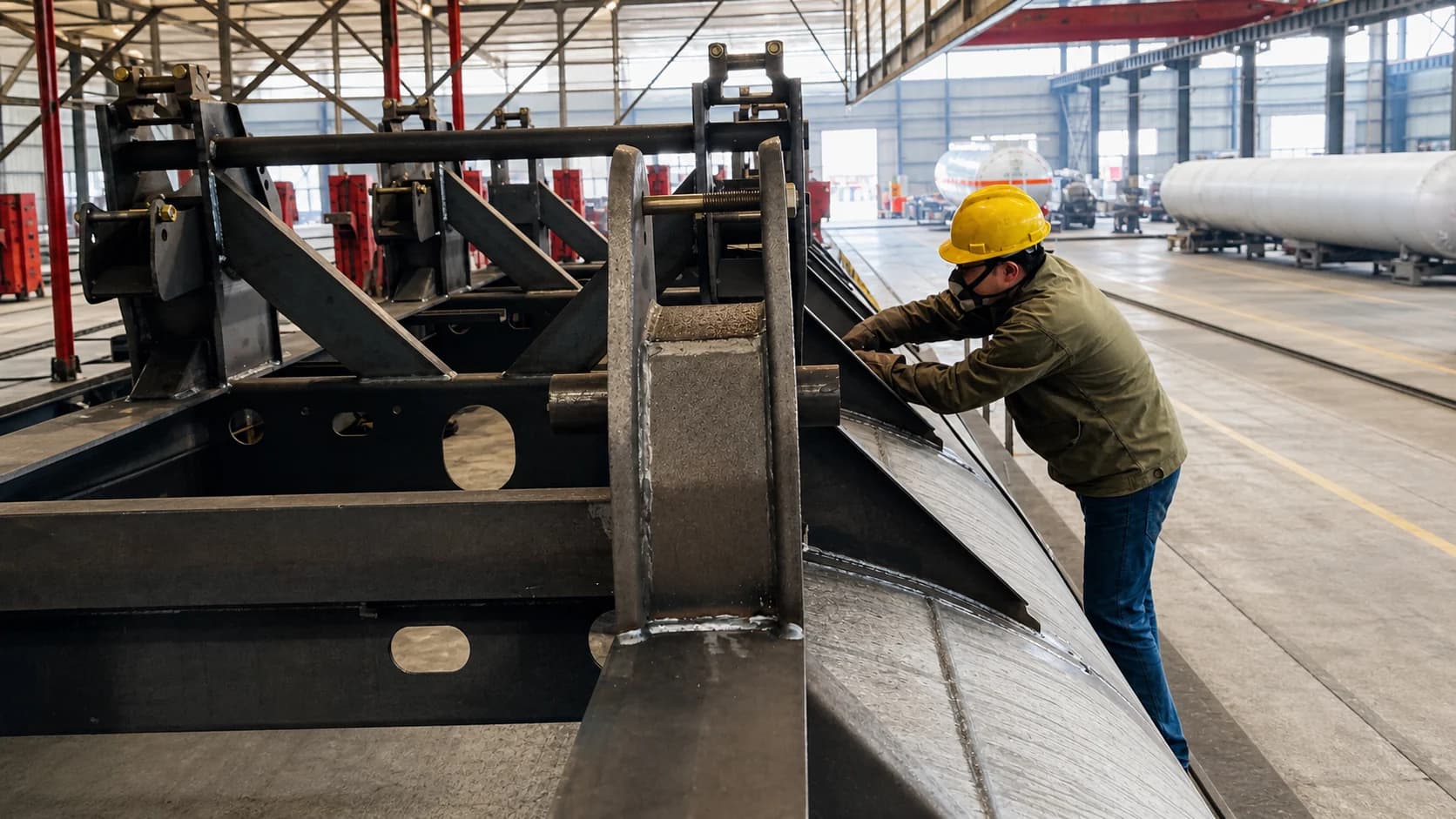
Axle load limits decide the trailer, not the payload you asked for
Buyers specify a payload. Registration authorities specify a load per axle. The two meet in axle count, axle spread and deck height, and getting that wrong turns into a permit for every trip.
Read the guide

Selection guide
Cold, heat, salt and unpaved yards: what a route changes in the build
Two quotations can list identical dimensions and capacities and still describe different trailers. The items that separate them are set by the operating environment, and most of them cannot be added after delivery.
Read the guide
These guides describe how we configure equipment and are written by the manufacturer. They are not a substitute for your own registration check: axle-load limits, dimensions and pressure-vessel acceptance are set by the authority in the country of registration, and we confirm them per order rather than in a published page.
A route these guides do not cover?
Tell us the cargo, the payload and the country of registration. We confirm the configuration per order.